Key Takeaways
Choosing among gated communities in Costa Rica means balancing security, location, services, ownership costs, and the rhythm of everyday life.
- Visit in both the dry and rainy seasons when possible.
- Compare access controls, infrastructure, and community management—not just amenities.
- Match the region to your priorities, from beach access to healthcare and schools.
- Review title, zoning, bylaws, financial records, and fees before making an offer.
- Think about how the property will function when you are away.
Understanding gated communities in Costa Rica
A gated community is more than a wall and a guarded entrance. It is a residential setting with defined access, shared responsibilities, and some form of collective management. For buyers, the appeal often lies in combining privacy and peace of mind with a neighborhood atmosphere rather than living in complete isolation.
What defines a gated community
Most gated communities have a controlled entrance, a perimeter or clearly limited access points, and private internal roads or common spaces. Some are compact collections of homes with little beyond security and landscaping; others are master-planned environments with pools, trails, clubhouses, golf, or beach facilities. The term can describe very different experiences, so buyers should ask what is actually included rather than relying on the label.
The setting matters just as much as the gate. A community near a town may offer authentic local life and easy errands, while a remote development may provide more privacy but require longer drives for groceries, medical appointments, and repairs. A useful starting point is to browse gated community listings by region and property type, then verify every advertised feature independently.
How security access and community rules work
Access procedures may include staffed gates, visitor registration, vehicle tags, cameras, electronic entry, or a combination of these systems. Rules commonly address parking, construction hours, pets, landscaping, exterior changes, short-term rentals, and use of shared facilities. These restrictions can protect a community’s appearance and quiet, but they may also limit how freely an owner can modify or rent a property.
Ask who employs the guards, who monitors cameras, how emergency access works, and whether security is provided around the clock or only at certain times. Speak with residents about how the rules are enforced in practice. Read the fine print early; a beautiful setting is less valuable if its operating rules conflict with your plans.
Common property types and amenities
Buyers may encounter detached villas, townhomes, condominium residences, buildable lots, and larger estate homes. Amenities range from a landscaped entrance and maintained roads to swimming pools, fitness areas, tennis courts, walking paths, restaurants, golf, or direct beach access. The more extensive the facilities, the more carefully you should examine operating costs and management arrangements.
Amenities are most useful when they fit your routine. A resident who swims every morning values a reliable pool differently from an occasional visitor who prefers a quiet garden. Likewise, ocean views, shaded outdoor space, storage, backup water, and a practical kitchen may matter more than a long list of resort features.
Differences between planned communities and condominium developments
A master-planned community may contain several neighborhoods, commercial areas, recreation facilities, and distinct ownership structures. A condominium development is usually a more concentrated building or group of buildings in which owners share specific common elements. Both can be gated, but their legal documents, fee structures, maintenance duties, and voting arrangements may differ substantially.
The distinction affects daily life and due diligence. In a condominium, the association may maintain roofs, elevators, corridors, and exterior walls; in a broader planned community, several associations may divide responsibility for roads, utilities, landscaping, and amenities. Request a diagram of these relationships before assuming that one monthly fee covers everything.
Comparing Costa Rica’s most popular regions
Costa Rica’s regions offer distinctly different versions of secure community living. Guanacaste is shaped by beaches and a pronounced dry season, the Central Valley by services and cooler elevations, and the southern Pacific by forest and a slower pace. Caribbean and northern areas can feel more tropical and less polished, with their own appeal for buyers seeking space and nature.
Guanacaste beach communities
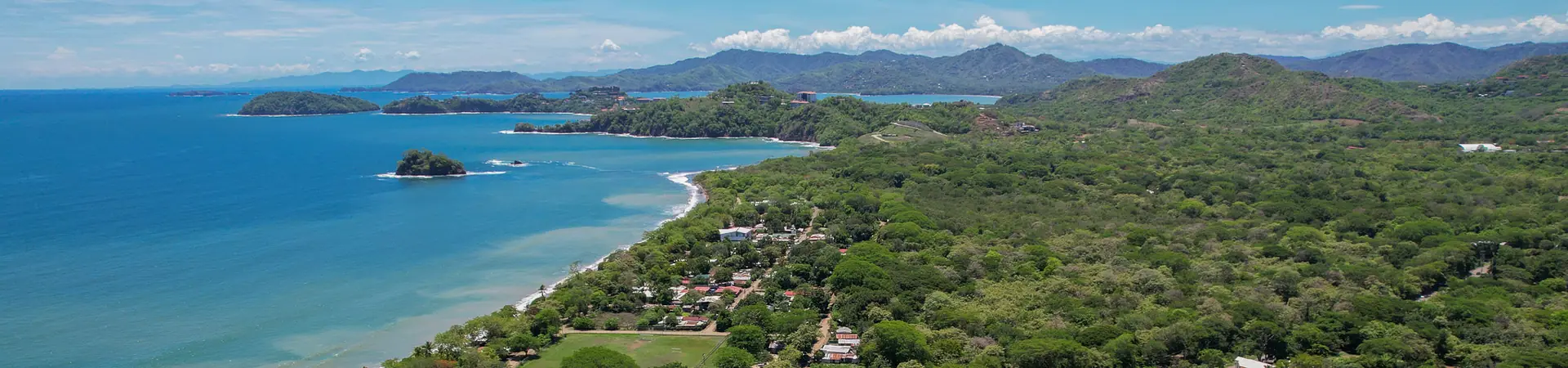
Guanacaste is often the first region considered by international buyers because it combines Pacific beaches, established tourism infrastructure, and access through Liberia International Airport. Communities range from intimate residential enclaves to expansive developments with golf, beach clubs, trails, and multiple housing types. Towns such as Brasilito, Tamarindo, Playas del Coco, and Flamingo each have a different balance of local character, nightlife, services, and seasonal activity.
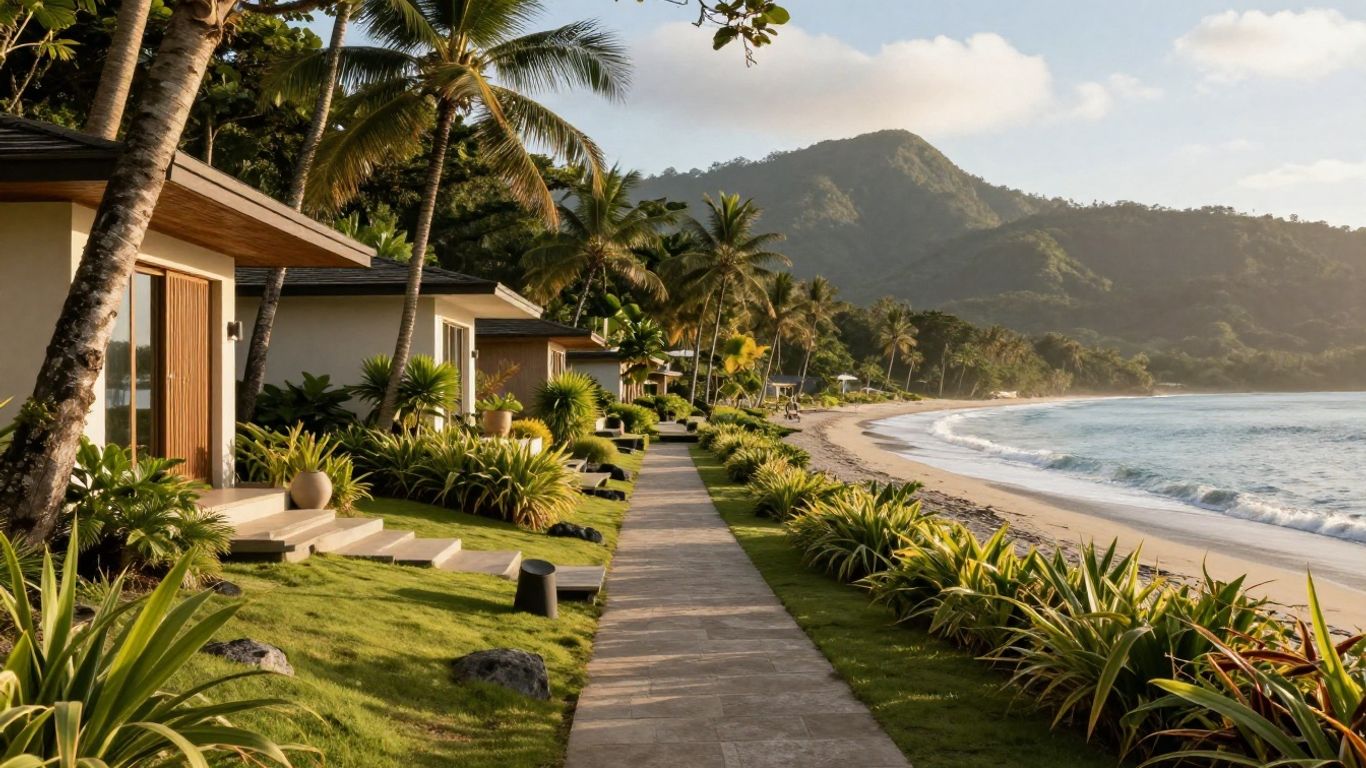
For a contemporary beachfront lifestyle, Arcadia Brasilito offers a useful example of how residences, beach access, design, and security can be considered together. Its location should still be evaluated practically: drive the routes to groceries, medical care, schools, and the airport, and visit the surrounding town rather than judging only the property itself. Buyers who value local connection may prefer a community that remains walkable to everyday places.
The Central Valley and greater San José
The Central Valley generally provides the broadest access to hospitals, private clinics, schools, professional services, shopping, restaurants, and airports. Elevation can bring milder temperatures than the coast, while neighborhoods around Santa Ana, Escazú, Belén, and nearby towns offer a range of planned and condominium communities. Traffic, congestion, drainage, and commuting times deserve as much attention as the home.
This region may suit full-time residents who want convenience and a larger network of services. It can also work well for families with school-age children or owners who expect frequent appointments and business travel. A community that feels close on a map may be much less convenient during weekday traffic, so test the journey at realistic hours.
The southern Pacific coast
The southern Pacific, including areas around Dominical, Uvita, Ojochal, and the Osa Peninsula, is known for lush landscapes, dramatic coastlines, and a stronger sense of remoteness. Gated options may be smaller and more spread out, with homes integrated into hillsides or forested settings. Roads, power reliability, water systems, and internet quality can vary from one development to the next.
This is a region for buyers who place nature and privacy ahead of immediate convenience. Slopes can affect construction, drainage, access, and future maintenance. A property may look tranquil during a dry-season visit but reveal very different travel times and road conditions in heavy rain.
Caribbean and northern Costa Rica options
The Caribbean offers humid tropical scenery, distinctive culture, and a relaxed coastal atmosphere, while northern areas near lakes, rivers, and agricultural zones can appeal to buyers seeking room and lower-density surroundings. Gated developments are less uniform across these areas, so the quality of roads, services, and management needs close inspection.
The right question is not whether a region is popular, but whether its climate and infrastructure match your habits. Consider humidity, salt exposure, rainfall, road access, and distance to reliable healthcare. Nature can be wonderfully close, but convenience may depend on a vehicle and advance planning.
Evaluating security, services, and daily convenience
Security is usually the initial reason buyers consider a gate, but it is only one part of a workable neighborhood. A community should also make ordinary tasks manageable: receiving deliveries, getting online, maintaining a home, and reaching the places you use regularly. The strongest choice is often the one with fewer daily frictions, not the one with the most impressive entrance.
Entry controls and private security
Observe the entrance at different times of day. Note whether visitors are logged consistently, whether residents can enter efficiently, and whether delivery drivers have a clear process. Ask for written information about patrols, lighting, cameras, guard coverage, incident reporting, and the division of responsibility between private security and public authorities.
No security arrangement eliminates risk. Good design, attentive management, sensible lighting, and engaged residents all contribute to a safer-feeling environment. Also find out whether vacant homes receive routine checks, since that can matter greatly for owners who travel frequently.
Roads, utilities, internet, and maintenance
A community’s internal roads, drainage, water supply, electricity, waste collection, and internet service shape life more than brochures suggest. Ask whether roads are public or private, who repairs them, and how infrastructure projects are funded. Confirm the actual providers and test mobile reception and internet speed inside the property.
Maintenance responsibilities should be mapped clearly. A practical inspection should cover:
- Roofs, gutters, drainage channels, and retaining walls.
- Water pressure, tanks, pumps, and backup systems.
- Air-conditioning equipment and corrosion near the coast.
- Road surfaces, lighting, landscaping, and waste collection.
These details help distinguish a well-managed community from one that simply looks polished on viewing day. Request maintenance schedules and recent repair histories where available, then price the work yourself rather than assuming the association will cover it.
Access to healthcare, schools, and shopping
Distance is only the first measure of convenience. A nearby clinic may not provide the specialist care you need, and a small market may not replace a full supermarket for a household living there year-round. Drive to hospitals, pharmacies, schools, banks, hardware stores, and grocery options before committing to a location.
Families should examine school transport and traffic patterns, while retirees may prioritize private medical facilities, pharmacies, and a manageable home layout. Vacation-home owners should consider how easily a local manager can handle errands when they are abroad. A walkable town center can reduce driving, but only if sidewalks, shade, crossings, and services are genuinely usable.
Recreation, social life, and on-site amenities
A community’s amenities influence both enjoyment and ongoing cost. Pools, trails, fitness rooms, clubs, restaurants, and beach access can make a home feel complete, but they need regular upkeep and thoughtful management. Ask what is open year-round, what requires reservations, and whether guests or renters can use the facilities.
Social fit is equally personal. Some buyers want a quiet neighborhood with occasional gatherings; others want shared spaces that make it easier to meet people. Visit at different times, listen to the sound levels, and imagine an ordinary Tuesday rather than only a holiday weekend.
Understanding costs and ownership considerations
Purchase price is only the beginning of the financial picture. Buyers should model association fees, insurance, maintenance, utilities, furnishing, property management, and periods when the home is vacant. Coastal exposure, large lots, pools, and extensive common facilities can all increase the cost of ownership.
Home prices and land value
Prices vary with region, title status, views, beach proximity, construction quality, lot size, and the maturity of the surrounding community. A finished residence may command a premium for convenience, while a lot offers flexibility but brings design, permitting, construction, and infrastructure risks. Compare similar properties on a like-for-like basis rather than relying on price per square foot alone.
Views deserve special scrutiny. Confirm whether a view depends on neighboring land, vegetation, or a future construction site. Arcadia Brasilito illustrates the appeal of ocean-oriented condominium living, but every buyer should independently verify the view, boundaries, building rights, and long-term surroundings.
Homeowners’ association fees
HOA or condominium fees may cover security, landscaping, roads, common utilities, insurance for shared structures, amenities, and reserve contributions. They may also change when a community adds facilities, faces storm damage, or needs major infrastructure work. Obtain the current fee schedule and ask about special assessments, delinquent accounts, and planned increases.
The following comparison is a useful framework when reviewing a proposed budget:
| Cost area | What to confirm | Why it matters |
|---|---|---|
| Security | Coverage hours and staffing | Determines both protection and recurring expense |
| Common areas | Landscaping, pools, roads, and lighting | Shows what the regular fee actually maintains |
| Reserves | Balance and planned projects | Indicates readiness for major repairs |
| Administration | Management contract and legal costs | Clarifies how efficiently fees are used |
The table is not a substitute for the association’s records, but it helps organize questions. Arcadia Brasilito can be considered through the same lens: ask what community services and shared features are included, how they are managed, and which costs remain the owner’s responsibility.
Property taxes, insurance, and maintenance
Property taxes are generally assessed locally, while insurance availability and premiums depend on construction, location, hazards, and coverage limits. Obtain quotes for the actual home, especially if it is near the ocean, on a slope, or in an area exposed to heavy rain. Check whether condominium insurance covers only common structures or extends into the unit.
Maintenance planning should include painting, sealing, pest control, pool care, landscaping, appliance replacement, and air-conditioning service. If you will be absent, identify a trustworthy local manager and clarify response times, approval limits, and reporting. A modest reserve fund can prevent a small repair from becoming an urgent expense.
Rental potential and resale considerations
Rental demand depends on access, seasonality, property design, management quality, local regulations, and the experience offered to guests. Do not assume that a beach address guarantees strong occupancy. Study comparable listings, realistic nightly rates, cleaning and management charges, taxes, and periods of low demand.
Tools such as Pricelabs may be relevant to owners researching automated nightly rate adjustments based on demand, events, and competitor pricing, but software does not replace local market judgment. For resale, consider who the next buyer is likely to be, how easy the property is to maintain, and whether the community’s fees and rules remain attractive.
Navigating the buying process
Buying property in Costa Rica is manageable with careful professional support and enough time for verification. Foreign buyers should avoid rushing because a property feels rare or because a seller creates artificial urgency. The goal is to understand exactly what is being purchased, who controls the shared areas, and what obligations continue after closing.
Finding qualified real estate professionals
Look for an independent real estate attorney who represents your interests rather than the seller’s. A knowledgeable local agent can explain neighborhood differences, but legal review should remain separate from sales advice. Ask professionals about their experience with condominium regimes, corporate ownership, coastal property, title searches, and foreign buyers.
It is also wise to obtain referrals from residents and inspect the professional’s process before signing anything. Clear communication, written scopes of work, translated documents where needed, and transparent fees are good signs. The right team should be comfortable telling you when a property deserves more investigation.
Verifying title, zoning, and development approvals
Your attorney should verify the registered owner, liens, mortgages, easements, boundaries, and the legal description in the National Registry. Confirm zoning, environmental constraints, building permissions, water availability, and the status of roads and utilities. Coastal property can involve additional restrictions, so proximity to the beach is not the same as unrestricted beachfront ownership.
The surrounding land matters too. Review approved plans and zoning information for neighboring parcels where possible. This is particularly important when a view, quiet setting, or access route is central to the property’s value.
Reviewing community bylaws and financial records
Read the bylaws, declaration, regulations, budgets, meeting minutes, insurance policies, reserve studies, and recent financial statements. Look for restrictions on rentals, pets, renovations, business use, guests, and exterior appearance. Meeting minutes can reveal recurring disputes or postponed repairs that a sales presentation will not mention.
Ask whether the association has unpaid fees, pending litigation, special assessments, or major projects under consideration. A low fee is not necessarily good news if it reflects underfunded maintenance. Conversely, a higher fee may be reasonable when it supports reliable services and healthy reserves.
Completing due diligence before closing
A final inspection should cover structure, moisture, plumbing, electrical systems, appliances, drainage, windows, roofs, and any included furnishings. Confirm that plans and permits match the built property. For a condominium, establish the unit’s boundaries and the association’s responsibility for shared components.
Before signing, review the purchase agreement, deposit terms, closing costs, currency, possession date, included items, and remedies for delays. Keep copies of every report and ask questions in writing. A deliberate process protects the lifestyle you are buying, not just the transaction itself.
Choosing the right gated community for your goals
There is no universally best gated community. The best fit depends on whether you want a permanent home, a seasonal retreat, a rental asset, or a future retirement base. Start with your routine and tolerance for travel, maintenance, and administration, then let the region and community follow from those priorities.
Factors for full-time residents
Full-time residents should prioritize reliable utilities, strong internet, practical access to healthcare and groceries, and a community that remains active outside peak tourist months. Noise, shade, walkability, and neighbor relationships matter because the setting will be experienced in ordinary moments. Consider whether the home’s design handles heat, humidity, storage, and regular household life.
A nearby town can provide more independence than an isolated resort, while on-site amenities may reduce the need to drive for exercise or social contact. Spend enough time in the area to learn its weekly rhythm, including markets, school traffic, weather, and power or water interruptions.
Priorities for vacation-home buyers
A vacation home should be easy to lock, maintain, and reopen after an absence. Look for dependable security, clear guest access, professional management, durable finishes, and services that continue when you are away. A smaller, well-managed residence may be more enjoyable than a larger property that requires constant coordination.
Beach access, outdoor living, storage, and rental flexibility may matter most, but check the rules before assuming short-term rentals are permitted. A management plan should cover cleaning, inspections, repairs, landscaping, and emergency response, with costs stated plainly.
Considerations for retirees and families
Retirees often value a manageable home, nearby medical care, social connection, and transportation options. Families may focus on schools, safe play areas, bedroom layouts, commuting routes, and access to activities. Both groups benefit from evaluating the community in person and asking residents what daily life is actually like.
For those considering Guanacaste, resources on retiring in Brasilito can provide useful lifestyle context, but personal visits and independent professional advice remain essential. Climate, healthcare access, residency planning, and budget should be considered together rather than as separate decisions.
Questions to ask before making an offer
Before committing, write down the questions that could change your decision. The answers should come from documents, professionals, and direct observation—not only from a listing description.
- What exactly does the monthly fee cover, and can it increase?
- Who maintains roads, utilities, drainage, and shared structures?
- Are rentals, renovations, pets, and guests restricted?
- What services are realistically available year-round?
- What happens if the home is vacant for several months?
Once the answers are clear, compare communities against the same criteria. That makes it easier to see whether you are paying for genuine convenience, attractive presentation, or a combination of both.
Conclusion
The right gated community in Costa Rica brings together a location that suits your routine, security you understand, services that work, and ownership costs you can comfortably sustain. Take time to experience the neighborhood, inspect the documents, and imagine both the beautiful days and the ordinary ones; that is where a confident decision usually begins.
Frequently Asked Questions
Are gated communities in Costa Rica safe?
Gated communities can add controlled access, private security, lighting, and shared management, but they do not remove all risk. Evaluate the actual procedures, staffing, maintenance, and local context rather than relying on the presence of a gate alone.
Can foreigners buy property in Costa Rica?
Foreign buyers can generally purchase titled property, subject to the same due diligence and applicable restrictions as local buyers. Coastal, concession, corporate, and condominium arrangements may require specialized legal review.
What are typical HOA fees?
Fees vary widely according to security, landscaping, roads, amenities, insurance, reserves, and management. Request the current budget, historical increases, reserve balance, and information about special assessments before comparing properties.
Which region is best for a beach lifestyle?
Guanacaste is a popular choice for its Pacific beaches, dry-season climate, tourism services, and airport access. The southern Pacific and Caribbean offer different combinations of forest, rainfall, culture, and remoteness, so the best region depends on your priorities.
Should I buy a condo or a detached home?
A condo may simplify exterior maintenance and provide shared security and amenities, while a detached home can offer more privacy, space, and control. Compare the association rules, fees, maintenance duties, rental policies, and resale audience.
Can I rent out my property when I am away?
That depends on community bylaws, local regulations, insurance, taxes, market demand, and your management arrangement. Confirm that short-term or long-term rentals are permitted before treating rental income as part of the purchase plan.
What should I verify before closing?
Verify title, liens, boundaries, zoning, permits, utilities, water availability, inspections, community bylaws, financial records, insurance, taxes, and all purchase-agreement terms. An independent attorney should coordinate the legal review and explain unresolved issues.
Updated August 11, 2026