Key Takeaways
Buying near Flamingo Marina is as much about choosing the right setting and ownership model as it is about finding a beautiful home.
- Compare Playa Flamingo with nearby communities before deciding where convenience matters most.
- Match the property type to your time, privacy needs, and intended use.
- Budget for closing costs, insurance, maintenance, furnishings, and community fees.
- Treat rental income as a possibility to research, not a guaranteed return.
- Use local legal and real estate professionals to verify titles, permits, and contracts.
Understanding the Flamingo Marina real estate market
The area around Flamingo Marina attracts buyers who want a coastal home with access to beaches, boating, dining, and the relaxed character of Guanacaste. The market includes everything from compact condos to expansive villas, so “near the marina” can describe several very different ownership experiences. Prices are shaped by views, access, privacy, construction quality, and the services attached to a community. A thoughtful search begins by defining what the marina lifestyle means to you.
What makes the marina area attractive to buyers
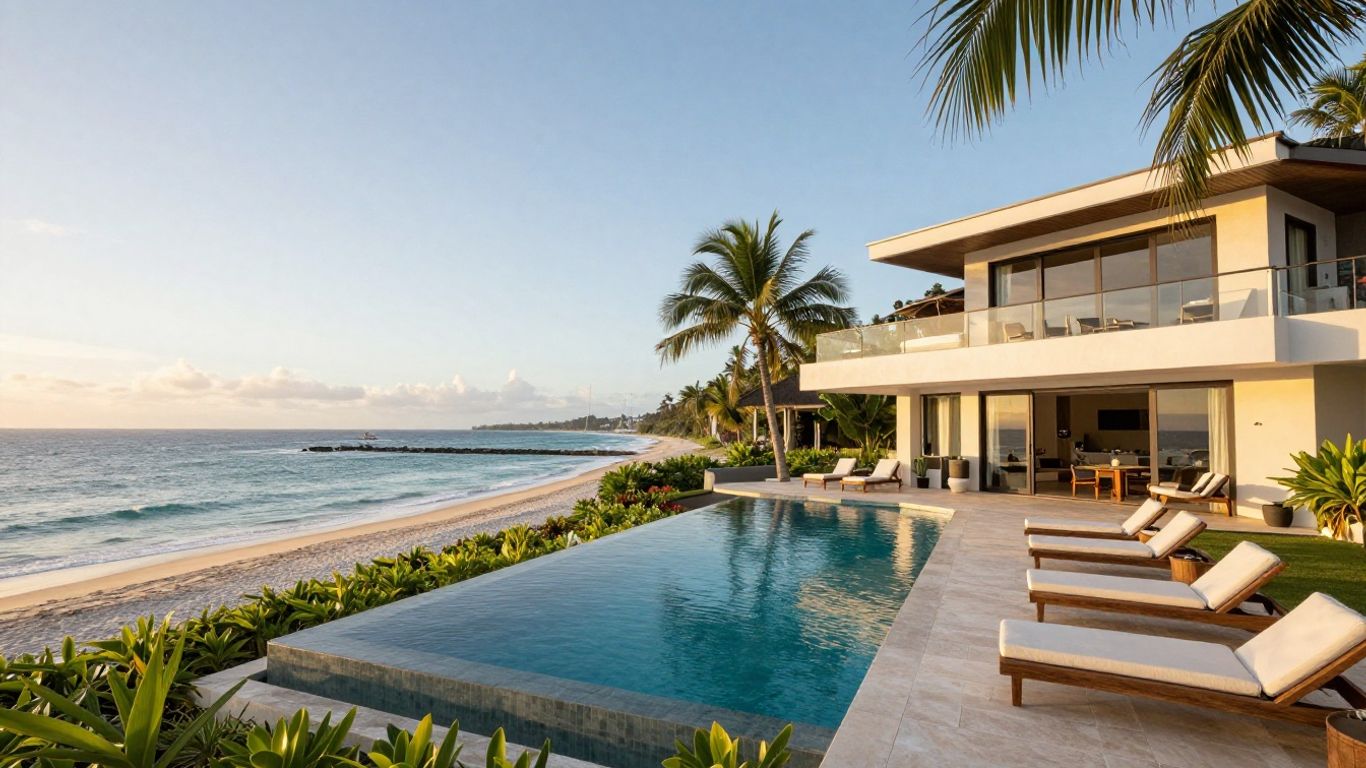
Playa Flamingo combines a white-sand beach, ocean scenery, and a growing collection of restaurants and water-based activities. The marina adds a practical point of connection for boat owners and visitors, while the surrounding hills create outlooks that can feel private even when services are close by. Buyers may also appreciate the area’s access to other Guanacaste beaches and established residential communities. For a broader sense of the destination, this Playa Flamingo real estate overview is a useful starting point.
Property types available near Flamingo Marina
Homes for sale near Flamingo Marina typically include condominiums, single-family homes, villas, ocean-view residences, and larger estates. Some properties are designed for full-time living, while others suit owners who spend only part of the year in Costa Rica. Condos may simplify exterior upkeep, whereas a detached home usually offers more control over outdoor space and renovations. The right category depends less on appearances than on how you expect to use the property.
How location affects pricing and demand
A short distance on a map does not always translate into the same daily experience. A walkable home may command a premium because it reduces reliance on a car, while a hillside property may trade convenience for broader views and greater seclusion. Oceanfront and marina-view properties also differ in exposure, access, and future development risk. Nearby Brasilito can be worth comparing as well; this Brasilito and Flamingo comparison explores how the two communities differ in character, walkability, pricing, and proximity.
Current considerations for coastal real estate
Coastal ownership requires a closer look at weather exposure, drainage, salt air, water supply, and the quality of local infrastructure. Buyers should confirm what is included in a listing rather than assuming that a view, beach access, or marina proximity is legally guaranteed. Construction schedules and neighborhood development can also affect noise, access, and resale appeal. A careful site review is often more useful than a quick impression from photographs.
Choosing the right location near Flamingo Marina
Location should be assessed at the pace of ordinary life, not only during a holiday viewing. Walk to the beach if that matters, test the road at different times, and consider how far you are from groceries, healthcare, and services. A polished home in the wrong setting can feel inconvenient after the first few weeks. Conversely, a slightly more removed property may offer the calm and privacy that make ownership rewarding.
Walkable properties in Playa Flamingo
Walkability can mean different things in Playa Flamingo because terrain, heat, and road conditions affect the experience. A property may be close to the sand yet still require a steep route, while another may place restaurants and daily conveniences within an easier stroll. Visit on foot and ask whether the route feels practical for older relatives, children, or guests carrying beach equipment. This detail often matters more than a nominal distance.
Nearby communities and residential developments
Communities just outside Playa Flamingo may offer more space, a quieter atmosphere, or a different price point while keeping the marina within driving distance. Brasilito, for example, offers a more village-oriented setting and direct beach access, while other developments may focus on gated security, resort-style facilities, or hillside views. Arcadia at Brasilito Beach is positioned between Reserva Conchal and Flamingo Marina, with beachfront condos, direct beach access, and a walkable community concept. Its appeal is therefore distinct from a home directly inside Playa Flamingo.
Oceanfront, marina-view, and inland locations
An oceanfront residence provides the closest relationship with the coast, but it can also face stronger wind, salt, and maintenance demands. Marina-view homes may offer activity and scenery without being directly on the beach, while inland properties can provide more land or privacy for the budget. Ask how the view was measured, what stands between the home and the water, and whether future construction could change it. A view should be evaluated as a physical condition, not simply as a marketing phrase.
Access to beaches, dining, and everyday services
A coastal home is easier to enjoy when ordinary errands do not become elaborate trips. Consider the drive to supermarkets, banks, medical services, schools, and airports, along with the availability of reliable internet and utilities. Dining and recreation are valuable, but they should be weighed beside practical needs such as parking and road access. Spend enough time in the neighborhood to see how it feels beyond the bright hours of a vacation day.
Comparing homes for sale near Flamingo Marina
Once the location is clear, compare properties by ownership experience rather than by bedroom count alone. A villa with a pool may suit a family that hosts often, while a well-managed condo may be better for an owner who travels frequently. New construction can offer current finishes, but resale homes may reveal their real condition more honestly. Make a short list of non-negotiables before becoming attached to a particular view.
Single-family homes and villas
Detached homes generally provide more independence, outdoor space, and flexibility for entertaining. They may also involve more decisions, from landscaping and pool care to security and repairs. Villas in hillside communities can offer striking views and generous terraces, though stairs and steep drives deserve attention. For a buyer planning extended stays, the extra control may justify the additional responsibility.
Condos and lock-and-leave properties
Condos can be attractive to international owners who want a simpler arrival and departure routine. Shared management may cover common areas, landscaping, security, and building maintenance, depending on the association. In return, owners accept fees, rules, and less control over changes to the property. Arcadia at Brasilito Beach reflects the appeal of a contemporary beachfront condo model, pairing modern design with a walkable setting and community-focused amenities.
Luxury estates with private amenities
Large estates can provide several bedrooms, guest accommodations, pools, terraces, and outdoor living areas. They work well for families who want generous privacy or for owners who entertain regularly, but the operating costs can be significant. More rooms also mean more furnishing, cleaning, cooling, and maintenance decisions. A private amenity is valuable only when its upkeep fits your schedule and budget.
New construction versus resale homes
New construction may allow buyers to select finishes or layouts, though timelines and specifications should be documented carefully. A resale home offers a chance to inspect completed systems, observe its surroundings, and learn how the property has performed through several seasons. Neither route is automatically safer or better. Compare warranties, construction records, appliances, drainage, and the reputation of the responsible parties.
Evaluating costs and ownership requirements
The purchase price is only the beginning of the financial picture. Coastal property ownership can include legal fees, taxes, insurance, repairs, association charges, furnishings, and professional management. Costs vary by property and ownership structure, so broad online estimates should not replace a property-specific budget. Build the numbers before making an offer, while there is still room to adjust your search.
Purchase prices and closing costs
Ask for a complete estimate of the funds needed to close, not just the advertised price. The estimate should identify legal work, registration, taxes, transfer charges, inspections, and any applicable financing or currency costs. A local attorney can explain which charges apply to the transaction and how deposits are handled. Keep a reserve for expenses that appear after the initial review.
Property taxes, insurance, and maintenance
Annual property taxes are only one part of carrying a coastal home. Insurance terms may depend on location, construction, security features, and the type of coverage available, while maintenance includes paint, roofing, air-conditioning, plumbing, landscaping, and corrosion control. Ask for records where possible and speak with vendors who understand the local climate. A modest preventive program can reduce unpleasant surprises later.
Homeowners’ association fees and restrictions
Association fees may fund security, shared facilities, landscaping, reserves, and exterior repairs. Review the budget, recent meeting records, reserve position, pending assessments, rental rules, pet policies, and renovation procedures. The fee is easier to judge when you understand exactly what it covers. Restrictions can protect the character of a community, but they should align with how you intend to live.
The following comparison can help organize the initial conversation with your agent and attorney:
| Cost category | Questions to ask | Why it matters |
|---|---|---|
| Closing expenses | Which taxes, legal fees, and registrations apply? | Prevents an incomplete cash-to-close estimate |
| Insurance | What risks and exclusions are covered? | Coastal exposure may affect available protection |
| Maintenance | Who handles routine and emergency work? | Clarifies annual ownership effort |
| Association fees | What services and reserves are included? | Shows the real cost of shared amenities |
After gathering these figures, separate one-time costs from recurring expenses. That simple distinction makes it easier to compare a condo with a villa and to decide how much cash should remain available after closing.
Budgeting for furnishings and renovations
A beautiful empty home still needs beds, kitchen equipment, window treatments, outdoor furniture, and practical storage. Imported items may take time or cost more than expected, while local sourcing can require flexibility on style and delivery. Renovations should be priced with labor, materials, permits, and project oversight in mind. Leave room for small improvements that make the home comfortable rather than spending the entire budget on the purchase itself.
Assessing investment and rental potential
Some buyers hope to offset ownership costs through short-term rentals, while others want a private retreat that is available whenever they visit. The two goals can coexist, but not without compromises. Rental performance depends on property quality, management, pricing, seasonality, access, and local rules. Treat projected income as a scenario to test rather than a promise.
Vacation rental demand in Playa Flamingo
Playa Flamingo’s beach, marina, dining, and recreational appeal can support visitor interest, particularly for well-located homes with comfortable outdoor space. Guests usually compare the whole experience: arrival, parking, internet, sleeping arrangements, kitchen quality, views, and access to activities. A home that photographs well but functions poorly may struggle to earn repeat bookings. Review comparable properties and ask for evidence behind any income projection.
Factors that influence rental income
A rental’s potential is shaped by several practical details. These commonly include:
- Walking distance or reliable access to the beach and marina
- Number and configuration of bedrooms and bathrooms
- Pool, terrace, view, parking, and outdoor living quality
- Professional photography, guest service, and property management
- Community rules governing short-term rentals
These factors do not operate independently. A smaller home with excellent access and thoughtful design may outperform a larger property that is difficult to reach or costly to operate.
Seasonal occupancy and operating expenses
Guanacaste rental activity can vary through the year, so owners should model strong, average, and quiet periods. Expenses may include management, cleaning, utilities, internet, repairs, supplies, insurance, taxes, association fees, and booking-related charges. Net income is more useful than gross revenue when comparing opportunities. Ask who handles guest communication and emergencies if you will be abroad.
Comparing personal use with investment goals
A home reserved for personal use may be worth more to you than its rental figures suggest, especially if it supports family traditions or a future move. An investment-oriented purchase may favor durable finishes, efficient operations, flexible sleeping arrangements, and consistent access. Write down the number of weeks you expect to occupy the property before reviewing rental projections. This keeps lifestyle value visible rather than treating it as an afterthought.
Navigating the purchase process in Costa Rica
Buying property in Costa Rica is manageable when the process is organized and the professionals are independent and qualified. A buyer should understand the ownership structure, verify the property, and keep written records of every material promise. Foreign buyers benefit from legal advice that is specific to the property and transaction. Patience is useful here; rushing can make a beautiful opportunity unnecessarily complicated.
Working with a qualified local real estate agent
A good local agent should listen closely to your priorities, explain tradeoffs, and distinguish verified information from assumptions. They can help coordinate viewings, compare communities, and identify practical questions about roads, utilities, and associations. Choose someone who is comfortable discussing drawbacks as well as attractions. An agent’s local knowledge is most valuable when it makes your decision clearer, not when it creates pressure.
Reviewing property titles and permits
Have an attorney review the title, survey, boundaries, liens, easements, zoning, and applicable coastal restrictions. Confirm that buildings, pools, additions, and other improvements have the permits and approvals required for the property. The legal position of a home can differ from the impression created by a listing. Do not rely on a verbal assurance when a document can answer the question.
For buyers comparing legal details across coastal communities, a Costa Rica beachfront ownership guide offers useful background on title, the Maritime Zone, purchase agreements, and closing considerations. It should complement—not replace—advice tailored to the specific property.
Understanding offers, deposits, and contracts
An offer should state the price, deposit, conditions, inclusions, deadlines, and consequences if a condition is not met. Contracts need careful translation and review, particularly when the buyer and seller use different first languages. Clarify when funds are held, who may release them, and what happens if due diligence identifies a serious problem. A clear agreement protects the relationship as well as the transaction.
Completing inspections and closing due diligence
A professional inspection should cover structure, roof, plumbing, electrical systems, appliances, drainage, moisture, and air-conditioning. In a coastal setting, look closely at corrosion, water intrusion, retaining walls, and the condition of outdoor finishes. Reconcile inspection findings with the contract before the closing date. If repairs or credits are agreed, record them in writing and verify completion.
A buyer may also consult specialized resources for unrelated practical matters during a broader relocation, such as long-distance moving estimates, bathroom remodeling services, professional pest control, or natural suppository treatment. These links address separate household concerns, not the property purchase itself, so they should not distract from the legal and physical due diligence required here.
Choosing the best home for your lifestyle
The best home is not necessarily the most expensive or the one with the widest view. It is the property whose location, layout, upkeep, and community fit the way you actually live. Imagine an ordinary Tuesday: getting groceries, hosting guests, walking to the beach, working online, and securing the home before leaving. That exercise often reveals priorities that a listing brochure cannot.
Matching amenities to your daily routine
Think in terms of habits rather than wish lists. A shaded terrace may matter more than a second living room, and reliable internet may be essential if you work remotely. Families might prioritize storage, flexible bedrooms, and safe outdoor areas, while part-time owners may value a managed arrival process and durable finishes. Arcadia at Brasilito Beach illustrates how direct beach access, contemporary residences, and community amenities can support a walkable coastal routine.
Planning for privacy, security, and accessibility
Assess sightlines between neighboring homes, entry controls, lighting, parking, and the route from the car to the front door. Slopes and stairs can be beautiful but may become inconvenient for guests or future mobility needs. Ask how security is staffed and what happens when the property is unoccupied. Planning for accessibility early is a quiet form of long-term care.
Considering long-term resale value
Resale appeal is influenced by location, title clarity, construction quality, operating costs, and the durability of the surrounding community. Distinctive design can attract attention, but overly personal renovations may narrow the future buyer pool. Homes with practical layouts, strong outdoor areas, and dependable access tend to remain easier to explain and market. Review both the property and its wider neighborhood before assuming scarcity will protect value.
Identifying questions to ask before making an offer
Before submitting an offer, ask who owns the title, what exactly is included, and whether all improvements are documented. Confirm the monthly and annual costs, rental permissions, utility reliability, access arrangements, and any planned construction nearby. Ask what the seller knows about past leaks, repairs, insurance claims, and association disputes. The answers may not eliminate every risk, but they will make the decision more informed.
For buyers also comparing coastal design and privacy, this Malibu home-buying checklist offers a useful reminder to evaluate lifestyle, location, finishes, outdoor space, and security together. The setting is different, but the discipline of asking practical questions travels well.
Conclusion
Finding homes for sale near Flamingo Marina becomes more manageable when the search is grounded in daily life, verified costs, and careful due diligence. Compare Playa Flamingo with nearby communities, decide how much responsibility you want, and choose a property that feels as comfortable on an ordinary day as it does in a first viewing. A well-matched Costa Rica home can offer beauty, connection, and a lasting sense of place without requiring you to overlook the practical details.
Frequently Asked Questions
Is Playa Flamingo a good place to buy a home?
Playa Flamingo can suit buyers seeking beach access, marina amenities, dining, recreation, and a strong coastal lifestyle. The best fit depends on budget, desired privacy, access needs, and whether the property will be a residence, vacation home, or rental.
What types of homes are available near Flamingo Marina?
Buyers may find condos, villas, detached homes, ocean-view residences, beachfront properties, and larger estates. Availability and pricing vary by community, view, condition, amenities, and proximity to the beach and marina.
Should I choose a condo or a single-family home?
A condo may simplify exterior maintenance and suit part-time ownership, while a single-family home generally offers more privacy, space, and control. Compare association rules and fees with the cost and effort of managing a detached property.
Can foreigners buy property in Costa Rica?
Foreign buyers can purchase many types of Costa Rican property, but the ownership structure and coastal restrictions require careful review. An independent Costa Rican attorney should verify title, boundaries, permits, and any applicable Maritime Zone requirements.
What costs should I budget beyond the purchase price?
Plan for legal and closing expenses, taxes, insurance, association fees, utilities, maintenance, furnishings, repairs, and possible property management. A property-specific estimate is more reliable than a general percentage applied to every purchase.
Are vacation rentals allowed near Flamingo Marina?
Rental permissions depend on the property, community rules, local requirements, and the terms of any association. Confirm the rules in writing before buying if rental income is part of your plan.
How long does buying a property in Costa Rica take?
The timeline varies with title verification, inspections, permits, financing, negotiations, and the complexity of the ownership structure. Clear documentation and responsive professionals can help the process move smoothly, but buyers should allow time for proper due diligence.
Updated August 3, 2026