Key Takeaways
Luxury condo ownership in Brasilito is about more than a beautiful address. The right purchase balances daily enjoyment, practical ownership, and long-term fit.
- Brasilito offers a relaxed village setting near Playa Conchal and Playa Flamingo.
- Condo choices vary by views, access, amenities, privacy, and building quality.
- Buyers should budget for closing costs, HOA fees, maintenance, insurance, and vacancy.
- Rental potential depends on seasonality, regulations, management, and personal use.
- International buyers benefit from independent legal, title, permit, and building reviews.
Why Brasilito Beach appeals to luxury condo buyers
Brasilito has a distinctive coastal rhythm: close to desirable beaches and services, yet still connected to the character of a local village. For buyers considering luxury condos in Brasilito Beach, that balance can feel more livable than a purely resort-oriented setting. Morning walks, ocean air, and familiar local places become part of the ownership experience. The best decision starts with understanding how the community feels beyond the brochure.
The character of Brasilito and nearby beaches
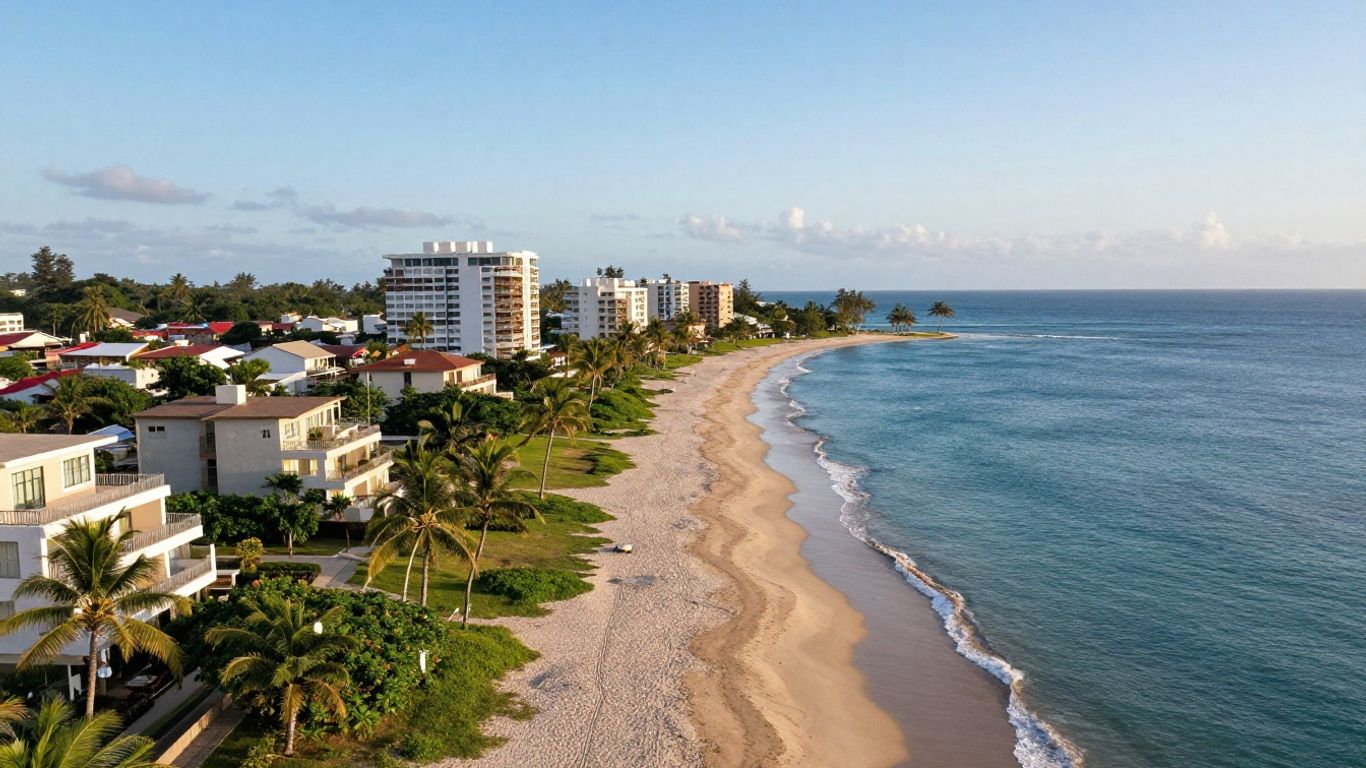
Brasilito is known for its approachable beach-town atmosphere, local dining, and easy connection to nearby Playa Conchal and Playa Flamingo. The darker sand and broad coastal views give the beach a character of its own, while the surrounding area offers access to fishing, snorkeling, boating, and memorable sunsets. Buyers who want a sense of place, rather than an isolated residence, may appreciate this authentic charm.
A useful way to compare the area with its neighbors is to read a Brasilito and Flamingo comparison before scheduling viewings. The distinction is not simply about price or prestige; it is also about whether a buyer prefers village connection, resort infrastructure, or a blend of both.
Access to dining, shopping, and outdoor activities
A coastal home is easier to enjoy when everyday errands and leisure activities are reasonably accessible. Brasilito’s local restaurants and small shops support a more relaxed routine, while nearby destinations add dining, golf, wellness, boating, and other recreational options. Families may also want to investigate schools, healthcare access, groceries, and reliable transportation before choosing a unit.
The appeal is especially clear for owners who want several kinds of days. One afternoon might involve a quiet swim or beach walk, while another could include a trip toward the marina, a restaurant in a neighboring town, or an outdoor excursion along the coast.
The advantages of a walkable coastal location
Walkability changes the texture of ownership. Being able to reach the beach, a café, or a casual meal without starting a car can make a short visit feel worthwhile and can help full-time residents settle into a natural routine. It also gives guests a more connected experience than a home that functions only as a private retreat.
Arcadia at Brasilito Beach is described as a master-planned community with luxury beachfront condos, direct beach access, and a walkable setting between Reserva Conchal and Flamingo Marina. That combination illustrates why location should be assessed as part of the property itself, not treated as a separate consideration.
Seasonal living, full-time residency, and vacation use
Brasilito can suit different ownership patterns, but each one creates different practical needs. A full-time resident may prioritize storage, workspace, internet reliability, and nearby services. A seasonal owner may care more about lock-and-leave convenience, maintenance response, and secure access. A vacation-oriented buyer should consider guest comfort, furnishing, and how easily the home can be managed while away.
The most attractive lifestyle on paper is not always the best fit in practice. Spend time in the neighborhood at different hours and ask whether the pace, sound, weather, and service availability match the way you expect to use the condo.
What to expect from luxury condos in Brasilito Beach
Luxury condos in Brasilito Beach can range from compact, efficient residences to larger family layouts and penthouses. Buyers should look past finishes alone and examine how the entire property supports coastal living. Views, shade, ventilation, storage, and common areas all affect the experience. A polished presentation matters, but so does the unglamorous detail of how the building operates.
A development such as Arcadia at Brasilito Beach Residences describes a range of one-, two-, and three-bedroom units plus penthouse options, with ocean and sunset views, direct beach access, modern design, turnkey finishes, gated security, and an optional rental program. Those features are useful reference points when comparing what “luxury” means from one development to another.
Ocean views, terraces, and indoor-outdoor layouts
In a warm coastal climate, a terrace is often an extension of the living area rather than a decorative extra. Consider its depth, shade, wind exposure, privacy, and relationship to the kitchen and main living room. An attractive view should also be assessed from the rooms where you will spend time, not only from a staged balcony.
Ask whether the orientation preserves the view over time and whether nearby construction could affect privacy. Floor height, landscaping, neighboring buildings, and the position of shared amenities can all change how open or secluded a residence feels.
Resort-style amenities and shared facilities
Pools, wellness areas, gathering spaces, dining, fitness facilities, and beach access can make a condo community feel effortless for both residents and guests. They also create operating responsibilities. Review which amenities are complete, which are planned, what hours apply, and how maintenance is funded.
For example, Arcadia Brasilito describes pools, a splash park, a poolside bar, a sport and wellness center, yoga spaces, pickleball courts, an Arcadia Plaza, concierge services, and 24/7 gated security. A buyer should verify the current status and governing documents for any amenity before assigning it value in a purchase decision.
Construction quality, finishes, and climate-ready design
Coastal ownership calls for careful attention to materials and building systems. Examine windows, doors, drainage, exterior coatings, air-conditioning equipment, plumbing, electrical capacity, and protection from moisture and salt air. Ask who performed the work, what warranties transfer, and how defects are handled.
Finishes should be judged alongside function. Easy-to-clean surfaces, sensible ventilation, durable outdoor furniture, and adequate storage may matter more over several years than a dramatic but delicate design feature. Durability supports enjoyment when a home is exposed to sun, rain, humidity, and ocean air.
Privacy, security, and property management services
Security is not only a gate or a camera system. It includes controlled access, lighting, visitor procedures, emergency response, and clear responsibility for common areas. Privacy also depends on balcony placement, landscaping, elevator access, and the distance between units.
If the condo will sit empty for part of the year, property management deserves the same scrutiny as the residence. Request service agreements, response standards, maintenance procedures, and fee schedules. A turnkey approach may simplify ownership, but buyers should understand exactly what is included before signing.
A short video tour can help establish the atmosphere of a development, but it cannot replace an in-person inspection or independent document review.
How to compare condo locations and developments
Two condos can share the same general beach address and still provide very different experiences. Elevation, road access, building orientation, neighboring land, and the management structure all deserve attention. A useful comparison combines the emotional appeal of the setting with observations that can be verified. This is where patient research often pays off.
Beachfront, hillside, and village-adjacent settings
Beachfront units offer immediacy and strong visual appeal, while hillside residences may provide broader views, more separation, or different breezes. Village-adjacent homes can make errands and local interaction easier. Each setting brings trade-offs involving stairs, slopes, access roads, exposure, and distance from shared facilities.
Do not assume that “near the beach” means the same thing as direct access. Walk the route at the time of day you expect to use it, and ask about lighting, drainage, accessibility, and seasonal conditions.
Sun exposure, views, and privacy considerations
A view is shaped by direction, floor level, vegetation, neighboring structures, and the position of the sun. Visit in the morning and afternoon if possible. Note where shade falls on the terrace, whether bedrooms receive direct heat, and whether common areas face the unit.
Privacy is similarly three-dimensional. A residence may look private from the street but face another balcony across a courtyard. Floor plans, sightlines, window placement, and landscaping should all be considered together rather than evaluated from a single photograph.
Proximity to roads, airports, and essential services
Convenience can be measured in more than driving time. Consider the quality of the final road, access during heavy rain, airport routes, grocery options, medical services, schools, and the availability of tradespeople. A location that feels remote during a holiday viewing may feel very different when supplies or repairs are needed.
The area’s position between important coastal destinations is part of its appeal, but exact travel times should be tested under ordinary conditions. Ask local professionals for practical guidance and verify routes yourself before relying on marketing language.
Noise, weather, and environmental factors to evaluate
Listen as carefully as you look. Traffic, construction, pool equipment, nearby restaurants, deliveries, and seasonal activity can affect a unit’s comfort. Weather matters too: wind, afternoon heat, rain runoff, humidity, and salt exposure should be observed rather than treated as abstract concerns.
A simple site visit checklist can include drainage paths, retaining walls, tree health, shoreline conditions, generator arrangements, and the condition of nearby roads. These details help distinguish a beautiful first impression from a sound long-term choice.
The costs of buying and owning a luxury condo
The purchase price is only the beginning of the financial picture. International buyers should model acquisition expenses, recurring ownership costs, furnishing, insurance, management, taxes, and periods without rental income. Numbers will vary by unit and development, so general estimates should not replace written quotes. A conservative budget creates more freedom after closing.
Purchase prices and additional closing expenses
Ask for a complete statement of expected closing costs rather than focusing only on the advertised price. Depending on the transaction and ownership structure, buyers may need to account for legal work, registration, taxes, transfer-related charges, inspections, financing costs, and professional services. Pre-construction purchases may also have different payment schedules from completed residences.
Have an attorney explain each line item and identify which costs are estimates. A clear budget should include a reserve for changes in currency exchange rates and last-minute documentation or travel needs.
Homeowners association fees and reserve funds
HOA fees support shared services and amenities, but the amount alone does not tell you whether they are reasonable. Review the operating budget, reserve fund, recent meeting records, insurance coverage, and any anticipated assessments. Ask how costs are divided among unit types and whether rental use affects fees.
The following questions help turn a quoted monthly fee into a more useful comparison:
- Which amenities and services are included?
- How are major replacements and repairs funded?
- Are there outstanding assessments or disputes?
- What financial records can buyers review?
Answers to these questions reveal whether the association is being managed proactively. They can also help you compare a lower-fee building with a more comprehensive community on an equal basis.
Utilities, insurance, maintenance, and furnishing
Monthly ownership costs may include electricity, water, internet, cleaning, pest control, landscaping, air-conditioning service, insurance, and furniture replacement. Coastal conditions can increase the frequency of exterior maintenance, especially for balconies, metalwork, windows, and mechanical equipment.
If a residence is sold turnkey, confirm the inventory and condition of included furnishings and appliances. Turnkey Paradise Living describes designer furnishings, included appliances, optional onsite property management, and comprehensive HOA management as part of a simplified ownership approach. The precise inclusions should still be confirmed in the contract and delivery documents.
Budgeting for vacancy periods and unexpected repairs
Rental income should never be treated as guaranteed. Build a model that allows for empty weeks, slower seasons, repairs, management fees, taxes, platform costs, and replacement reserves. Owners who plan to use the home themselves should also assign a value to those personal stays rather than comparing only gross rental revenue.
A practical reserve can protect the lifestyle you bought. It is easier to enjoy a beachfront home when an air-conditioning repair or unexpected assessment does not require a rushed financial decision.
Buying luxury condos in Brasilito Beach as an investment
A condo can serve as a personal retreat and an investment, but those goals may compete. The best view for personal use may not be the easiest unit to rent, and the calendar you reserve for family visits may overlap with periods of strong demand. Investment analysis should therefore begin with honest assumptions about use. It should also distinguish projected revenue from verified performance.
Estimating rental demand throughout the year
Ask for evidence about seasonality, comparable occupancy, average rates, guest profiles, and booking channels. Demand may vary around holidays, weather patterns, school calendars, and regional events. A local manager can provide useful operating context, but buyers should request supporting records and understand how projections were calculated.
Compare several scenarios instead of relying on one optimistic estimate. A conservative case with lower occupancy and higher maintenance often gives a more realistic view of resilience.
Comparing personal use with short-term rental income
Personal use has a real benefit, but it reduces availability for guests. Map out the weeks you expect to occupy the condo, then test the remaining calendar against realistic rental assumptions. Also consider whether frequent turnovers, furnishing choices, and guest communication are compatible with your desired level of privacy.
A residence designed for flexible use may be appealing to professionals, retirees, families, and investors, but the operating plan still needs to be specific. Decide who will handle reservations, cleaning, maintenance, guest issues, and owner reporting before purchase.
Understanding local rental regulations and restrictions
Review municipal requirements, tax obligations, condominium bylaws, licensing rules, occupancy limits, and any restrictions on short-term rentals. Rules may change, and a development’s internal policies can be more restrictive than local law. An attorney and qualified property manager should review the current position for the specific unit.
Do not assume that an optional rental program is mandatory or that a permitted use will remain unchanged. Put the relevant terms in writing and understand the consequences of noncompliance.
Evaluating resale potential and long-term appreciation
Resale value is influenced by location, access, building condition, HOA health, views, layout, fees, and the quality of management. Supply, future development, infrastructure, and buyer demand also matter. Market reports can provide context, but they cannot guarantee appreciation.
The Brasilito market report is one resource buyers can consult while forming questions about prices, supply, and local development. Use such material as a starting point, then request current, unit-specific evidence from independent professionals.
The purchase process for international buyers
Buying abroad can feel straightforward until documents, currencies, timelines, and local practices intersect. The safest process is deliberate without becoming unnecessarily complicated. Build a team that represents your interests, keep a written record of decisions, and avoid allowing urgency to replace due diligence. A beautiful setting deserves a careful transaction.
Finding qualified real estate and legal professionals
Choose professionals with relevant experience in Costa Rican real estate and international transactions. Ask who they represent, how they are paid, what services are included, and whether they can explain risks in plain language. The real estate representative can help with market context, while independent counsel should protect the buyer’s legal interests.
It is also wise to identify inspectors, insurance contacts, property managers, and currency specialists early. A coordinated team reduces avoidable delays and makes it easier to compare advice.
Reviewing title, permits, and ownership structures
Your attorney should verify title, liens, boundaries, easements, permits, zoning, condominium declarations, and the legal status of common areas. Discuss whether personal ownership or another structure is appropriate for your circumstances, including succession, tax, financing, and reporting implications.
Never rely on a verbal assurance that a document is “standard.” Ask for copies, translations where needed, and an explanation of obligations before making an irrevocable commitment.
Completing due diligence on the building and developer
Review the developer’s track record, construction agreements, warranties, delivery obligations, budgets, insurance, and maintenance plans. For an existing building, inspect common areas and request records of repairs, assessments, disputes, and association decisions. For a new development, confirm what is complete, what remains planned, and what happens if a schedule changes.
A building inspection should cover both the unit and shared infrastructure. The future ease of ownership often depends on details that are invisible during a brief sales visit.
Managing currency, contracts, and closing timelines
International buyers should understand the currency used for the purchase, deposit, installments, and recurring expenses. Confirm transfer procedures, exchange-rate exposure, deadlines, cancellation terms, and the documents required for closing. Have every important commitment reflected in the contract rather than in informal messages.
Allow time for document gathering, legal review, banking procedures, and travel or remote-signing arrangements. A calm timeline is usually preferable to a rushed closing built around an arbitrary date.
How to choose the right luxury condo in Brasilito Beach
The right condo is the one that fits your actual life, not just your idealized holiday. Begin with the experience you want, then test it against the unit, development, budget, and ownership plan. For some buyers, direct beach access and community amenities will lead the decision. For others, privacy, storage, a larger floor plan, or rental flexibility will matter more.
Defining lifestyle priorities and investment goals
Write down your priorities before touring properties. Separate essentials from preferences, and decide how much weight to give personal enjoyment, rental income, future resale, family visits, and full-time practicality. This prevents the most dramatic view or newest finish from quietly taking over the decision.
A simple priority statement might include beach access, quiet evenings, reliable management, room for guests, and a budget that remains comfortable during vacancy. Clear criteria make comparisons more honest.
Building a practical property comparison checklist
A written checklist is especially useful when several residences look similar. Include both emotional and technical factors, then record evidence rather than impressions. Useful categories include:
- Location, beach access, roads, and nearby services
- Orientation, views, shade, privacy, and noise
- Layout, storage, finishes, appliances, and condition
- HOA fees, reserves, insurance, and planned assessments
- Rental rules, management, furnishing, and operating costs
For families, the checklist may also include schools, child-safe layouts, and travel equipment; a separate baby-safety guide can be useful when thinking through household needs. Buyers comparing coastal drainage should likewise distinguish ordinary upkeep from specialist work, including services such as SCD Garage, whose page covers gutter and downspout installation, repair, and maintenance.
The checklist should support judgment, not replace it. Use it to identify questions, then ask professionals to verify the answers.
Scheduling viewings and assessing the surrounding area
Visit more than once if possible, including at different times of day and in different weather. Walk to the beach and local services, listen from the terrace, inspect parking and access, and observe how shared spaces are used. Ask residents or nearby businesses what daily life feels like outside the viewing appointment.
A virtual tour is helpful for an initial screen, but it cannot fully reveal humidity, sound, slope, road quality, or the distance between buildings. Those sensory details often determine whether a place feels peaceful and practical.
Planning for ownership after the purchase
Before closing, decide who will receive deliveries, inspect the property, coordinate repairs, manage utilities, and prepare the condo between visits. Create a calendar for air-conditioning service, deep cleaning, insurance renewal, HOA payments, and document reviews. If you plan to stream entertainment while away, even a home sports streaming guide can serve as a reminder to check internet stability and account security.
Ownership also involves the people around the property. Clear communication with the association, neighbors, manager, and service providers helps preserve both the home and the sense of community that drew you to Brasilito. Workplace-related resources such as Mental Health First Aid are not property guidance, but they illustrate a broader principle: prevention and preparation are usually less disruptive than responding to avoidable problems.
Conclusion
Luxury condos in Brasilito Beach offer an appealing blend of ocean access, village character, and modern coastal living, but the strongest purchase is grounded in careful comparison. Look closely at the setting, building, costs, rules, and management plan, then choose a residence that supports the way you truly expect to live. With independent advice and realistic financial assumptions, Brasilito can become not only a beautiful escape, but a thoughtful long-term home.
Frequently Asked Questions
Is Brasilito a good place to buy a luxury condo?
Brasilito may suit buyers who want a relaxed beach-town setting with access to nearby beaches, dining, outdoor activities, and modern residential amenities. The right fit depends on the buyer’s lifestyle and ownership goals.
What should I look for in a luxury condo near the beach?
Review the view, orientation, terrace, privacy, construction quality, storage, air-conditioning, drainage, security, amenities, HOA finances, and property management arrangements.
Are beachfront condos suitable for full-time living?
Some are, especially when they offer practical layouts, reliable utilities, storage, nearby services, and effective building management. A site visit during ordinary conditions is essential before deciding.
Can an international buyer purchase property in Costa Rica?
International buyers should obtain advice from qualified local legal professionals about title, ownership structures, permits, contracts, taxes, and closing requirements for the specific property.
How much should I budget beyond the condo purchase price?
Plan for legal and closing expenses, HOA fees, insurance, utilities, furnishing, maintenance, management, taxes, travel, vacancy, and an emergency reserve. Exact amounts vary by residence and development.
Can I rent out a condo in Brasilito?
That depends on applicable laws, permits, tax obligations, condominium rules, and the management arrangement. Confirm current requirements in writing before relying on rental income.
What makes a condo a strong long-term investment?
Location, building quality, access, views, HOA health, manageable costs, rental flexibility, and resale demand all matter. No individual feature guarantees appreciation or rental performance.
Updated August 7, 2026